What Is Ashwagandha?
Ashwagandha (Withania somnifera) is a plant used for thousands of years in Indian Ayurveda, classified as an adaptogen — a substance that helps the body cope with stress. Over the past decade it has become one of the most studied supplements in the world, particularly for research on cortisol, sleep, and physical performance.
Does it live up to the hype? Let us look at what the science actually shows.
Who This Guide Is For
If you experience chronic stress, anxiety-disrupted sleep, or are looking to improve training outcomes without banned substances — this guide will help you decide whether ashwagandha is a sensible choice for you.
TL;DR
- Reduces cortisol levels by 15–30% (Chandrasekhar et al., 2012)
- Improves sleep — reduces time to fall asleep and increases total sleep time (Langade et al., 2019)
- Increases muscle strength and recovery from training (Wankhede et al., 2015)
- Modestly raises testosterone levels in men (Lopresti et al., 2019)
- Standard dose: 300–600 mg of KSM-66 extract per day
- Not suitable for people on thyroid medication without medical approval
How Ashwagandha Works
Ashwagandha's main active compounds are withanolides — steroidal structures that modulate the HPA axis (hypothalamic-pituitary-adrenal axis). This is the body's primary stress response system.
In practice this means:
- Cortisol drops — the body exits chronic "fight-or-flight" mode
- GABA receptors activate — calming neurotransmitters are used more efficiently
- Inflammation markers decrease — the NF-kB pathway is dampened (Singh et al., 2011)
Different extract forms contain different withanolide concentrations, which directly affects efficacy.
Proven Benefits
Stress and Anxiety
The strongest evidence base. Chandrasekhar et al. (2012) ran a 60-day double-blind RCT with 64 chronically stressed adults. The ashwagandha group saw cortisol drop by 30% and anxiety scores (HAM-A scale) improve significantly versus placebo. Pratte et al. (2014) confirmed these findings in a systematic review of five RCTs.
Sleep
Langade et al. (2019) studied 150 healthy adults with sleep difficulties. 600 mg of ashwagandha extract per day improved sleep quality in 72% of cases, reducing time to fall asleep and increasing total sleep time. The effect was especially strong in people with stress-induced insomnia.
Training and Muscle Strength
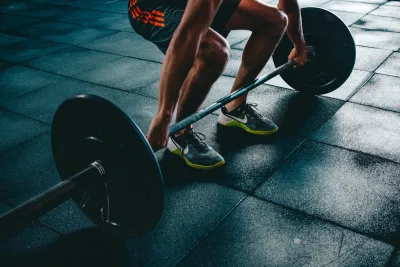
Wankhede et al. (2015) studied 57 men in an 8-week resistance training programme. The ashwagandha group experienced significantly greater muscle mass gains (bench press 1RM increased 2x more than placebo), faster recovery, and less muscle damage. This is supported by Ziegenfuss et al. (2018) who found similar results in just 4 weeks.
Testosterone
Lopresti et al. (2019) found in a 16-week RCT that ashwagandha raised testosterone levels in men by an average of 15%. This is a modest but statistically significant result. Important note: the effect is more pronounced in men whose testosterone is in the low-normal range.
Dosage and Best Forms
| Form | Dosage | Best use |
|---|---|---|
| KSM-66 (root extract) | 300–600 mg/day | Stress, training, testosterone |
| Sensoril (root + leaf extract) | 125–250 mg/day | Anxiety, insomnia (higher withanolide content) |
| Non-standardised powder | 1,000–6,000 mg/day | Less predictable effect |
KSM-66 vs Sensoril: KSM-66 contains 5% withanolides and is the most studied form for training and stress. Sensoril contains 10%+ withanolides, meaning a smaller dose is needed, but there are fewer studies on training outcomes.
For best results take in the morning and/or evening with food. Starting with one dose is sensible — increase after 2 weeks if needed.
Side Effects and Warnings
- Digestive issues — rare, usually from taking on an empty stomach
- Drowsiness — in some people, especially combined with other sedatives
- Thyroid function — ashwagandha raises T4 and T3 levels. If you take levothyroxine, do not use without medical approval (Sharma et al., 2018)
- Liver injury — very rare, but isolated cases have been reported with high doses over long periods. Taking a break every 3 months is recommended
- Pregnancy — traditionally used in Ayurvedic practice, but clinical data is lacking. Avoid during pregnancy
Common Mistakes
1. Too low a dose — 100 mg/day will not produce results. Minimum effective dose for KSM-66 is 300 mg
2. Non-standardised product — cheap ashwagandha powder without withanolide content listed is a gamble
3. Expecting instant effects — stress and sleep improvements appear in 2–4 weeks, training results in 6–8 weeks
4. Ignoring thyroid — if you have a thyroid condition, check before starting
Frequently Asked Questions
Is ashwagandha suitable for women?
Yes. Stress and anxiety studies included both sexes. The testosterone effect is mainly relevant to men, but women benefit from cortisol and sleep improvements.
Is ashwagandha addictive?
No. Ashwagandha does not directly affect dopamine or opioid receptors. However, periodic breaks are prudent (e.g. 3 months on, 1 month off).
Can it be combined with caffeine?
Yes. Ashwagandha and caffeine do not compete for the same receptors. Some users find ashwagandha reduces caffeine-induced jitteriness.
Does ashwagandha help with depression?
Some studies show a modest antidepressant effect, but evidence is too limited to recommend it as a depression treatment. Do not replace antidepressants with it.
Is ashwagandha vegan?
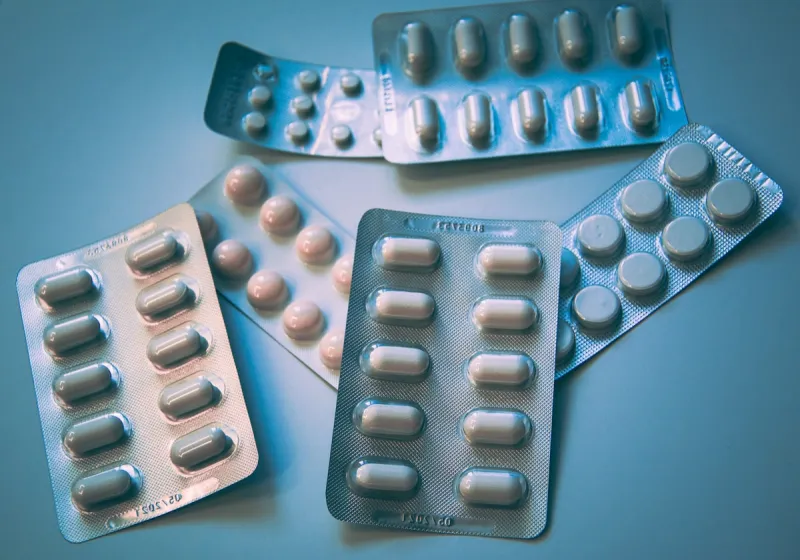
The extract itself is plant-based. Check capsule composition — prefer cellulose capsules.
Estonia-Specific Notes
Ashwagandha is available in Estonia both in pharmacies and online stores. Monthly cost ranges from 10 to 25 euros depending on the form. MaxFit carries KSM-66-based products, which are the most studied and reliable forms.
References
- Chandrasekhar, K. et al. (2012). A prospective, randomized double-blind, placebo-controlled study of safety and efficacy of a high-concentration full-spectrum extract of Ashwagandha root in reducing stress and anxiety in adults. Indian Journal of Psychological Medicine, 34(3), 255–262.
- Langade, D. et al. (2019). Efficacy and Safety of Ashwagandha Root Extract in Insomnia and Anxiety. Cureus, 11(9), e5797.
- Lopresti, A.L. et al. (2019). A Randomized, Double-Blind, Placebo-Controlled, Crossover Study Examining the Hormonal and Vitality Effects of Ashwagandha in Aging, Overweight Males. American Journal of Men's Health, 13(2).
- Pratte, M.A. et al. (2014). An alternative treatment for anxiety: a systematic review of human trial results reported for the Ayurvedic herb ashwagandha. Journal of Alternative and Complementary Medicine, 20(12), 901–908.
- Sharma, A.K. et al. (2018). Efficacy and Safety of Ashwagandha Root Extract in Subclinical Hypothyroid Patients. Journal of Alternative and Complementary Medicine, 24(3), 243–248.
- Singh, N. et al. (2011). An overview on ashwagandha: a Rasayana (rejuvenator) of Ayurveda. African Journal of Traditional, Complementary and Alternative Medicines, 8(5S), 208–213.
- Wankhede, S. et al. (2015). Examining the effect of Withania somnifera supplementation on muscle strength and recovery. Journal of the International Society of Sports Nutrition, 12, 43.
- Ziegenfuss, T.N. et al. (2018). Effects of an Aqueous Extract of Withania somnifera on Strength Training Adaptations and Recovery. Nutrients, 10(11), 1807.
Browse ashwagandha products at MaxFit →
See also: