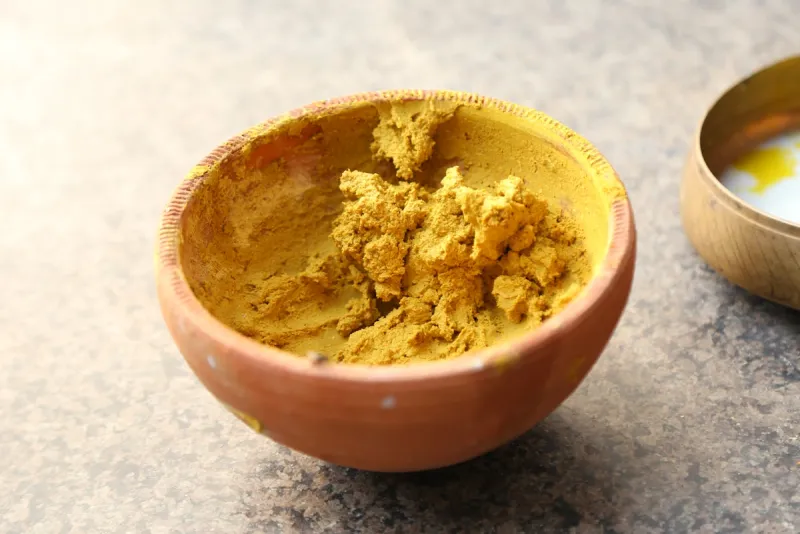
What Is Berberine?
Berberine is a yellow alkaloid found in several plants, including barberry (Berberis), goldenseal (Hydrastis canadensis), and Chinese goldthread (Coptis chinensis). It has been used for centuries in traditional Chinese and Ayurvedic medicine, but in the past decade it has attracted serious scientific attention for its metabolic effects.
In this article, we look at what the science actually says about berberine — both the promising findings and the limitations.
TL;DR
- Berberine activates the AMPK enzyme, sometimes called the "metabolic master switch"
- In clinical trials, it lowers HbA1c by an average of 0.5-0.9% (Yin et al., 2008)
- Typical dose: 500 mg two to three times daily with meals
- Side effects: gastrointestinal issues (diarrhea, constipation, bloating) are common
- Does not replace prescription medication — always talk to your doctor first
How It Works
Berberine's primary mechanism involves activating AMPK (AMP-activated protein kinase) (Lee et al., 2006). AMPK is an enzyme that acts as an intracellular energy sensor — the same pathway activated by exercise and caloric restriction.
Through AMPK activation, berberine:
1. Increases insulin sensitivity — helps cells take up glucose more effectively
2. Inhibits hepatic gluconeogenesis — reduces the liver's production of new glucose
3. Affects lipid metabolism — lowers LDL cholesterol and triglyceride levels
4. Modulates gut microbiota — alters the composition of intestinal bacteria (Zhang et al., 2012)
What the Science Shows
Blood Sugar Control
The strongest evidence comes from people with type 2 diabetes and prediabetes. A meta-analysis (Dong et al., 2012) covering 14 randomized controlled trials with 1,068 patients found:
- HbA1c dropped by 0.5-0.9%
- Fasting blood glucose decreased by an average of 0.9 mmol/L
- The effect was comparable to metformin
Important caveat: most studies were conducted in China, study quality varies, and long-term data is limited.
Cholesterol
Berberine reduced LDL cholesterol by an average of 20-25 mg/dL and triglycerides by 35-40 mg/dL across multiple studies (Kong et al., 2004). These are moderate changes — compared to statins, which typically lower LDL by 30-50%.
Weight Loss
Some studies show modest weight loss (1-2 kg over 12 weeks), but berberine is not a weight loss supplement. Any effect likely comes from metabolic improvement rather than direct fat burning.
Dosage
| Parameter | Recommendation |
|---|---|
| Standard dose | 500 mg 2-3x daily |
| Maximum daily dose | 1,500 mg |
| Timing | With meals (reduces GI side effects) |
| Onset of effect | 4-8 weeks with consistent use |
Berberine has low bioavailability (under 5%), so splitting doses throughout the day works better than taking one large dose.
Side Effects and Interactions
Common side effects:
- Diarrhea, constipation, bloating (up to 30% of users)
- Headache
- Bitter taste
Serious interactions:
- Metformin — risk of excessive blood sugar drop (hypoglycemia)
- Drugs metabolized via CYP3A4/CYP2D6 — berberine can affect their metabolism
- Antibiotics — berberine has antimicrobial properties that may interfere
Always talk to your doctor, especially if you take diabetes or cholesterol medications.
Frequently Asked Questions
Can berberine replace metformin?
No. While some studies show similar effects on blood sugar, berberine has not undergone the same rigorous testing as metformin. Do not stop prescription medications without your doctor's approval.
Does berberine work for weight loss?
Berberine is not a weight loss supplement. Some studies show 1-2 kg of loss over 12 weeks, but this likely reflects metabolic improvement rather than direct fat burning.
Which form of berberine should I choose?
Berberine HCl (hydrochloride) is the most common and most studied form. Some newer products use dihydroberberine, which may be better tolerated, but the research base is smaller.
Is berberine safe for long-term use?
Most clinical studies lasted 8-24 weeks. Long-term safety (beyond 1 year) is not well documented. Consider cycling and consult your doctor.
Is berberine suitable for athletes?
Berberine is not a typical sports supplement. Through AMPK activation, it could theoretically interfere with the mTOR pathway, which is important for muscle growth. If your goal is building muscle, berberine is probably not the best choice.
Summary
Berberine is an interesting plant compound with meaningful effects on blood sugar and lipid metabolism. The evidence is strongest for people with type 2 diabetes and prediabetes, but it does not replace prescription medication. GI side effects are common and drug interactions are possible.
If you are considering berberine, start with 500 mg per day and increase gradually. Always talk to your doctor, especially if you take other medications.
References
- Yin, J., Xing, H., & Ye, J. (2008). Efficacy of berberine in patients with type 2 diabetes mellitus. Metabolism, 57(5), 712-717.
- Lee, Y. S., Kim, W. S., Kim, K. H., et al. (2006). Berberine, a natural plant product, activates AMP-activated protein kinase with beneficial metabolic effects in diabetic and insulin-resistant states. Diabetes, 55(8), 2256-2264.
- Dong, H., Wang, N., Zhao, L., & Lu, F. (2012). Berberine in the treatment of type 2 diabetes mellitus: a systemic review and meta-analysis. Evidence-Based Complementary and Alternative Medicine, 2012, 591654.
- Kong, W., Wei, J., Abidi, P., et al. (2004). Berberine is a novel cholesterol-lowering drug working through a unique mechanism distinct from statins. Nature Medicine, 10(12), 1344-1351.
- Zhang, X., Zhao, Y., Zhang, M., et al. (2012). Structural changes of gut microbiota during berberine-mediated prevention of obesity and insulin resistance in high-fat diet-fed rats. PLoS ONE, 7(8), e42529.
See also: