Where Did the Vitamin C Megadose Idea Come From?
Shop this category — in stock now
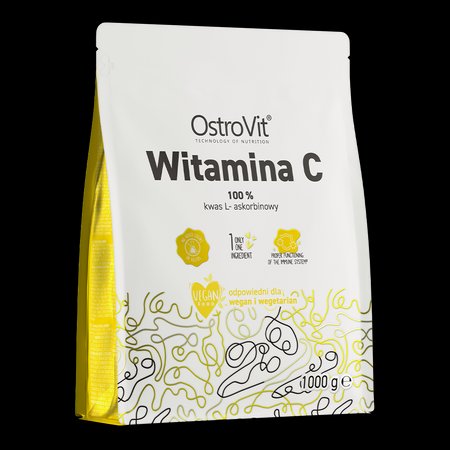
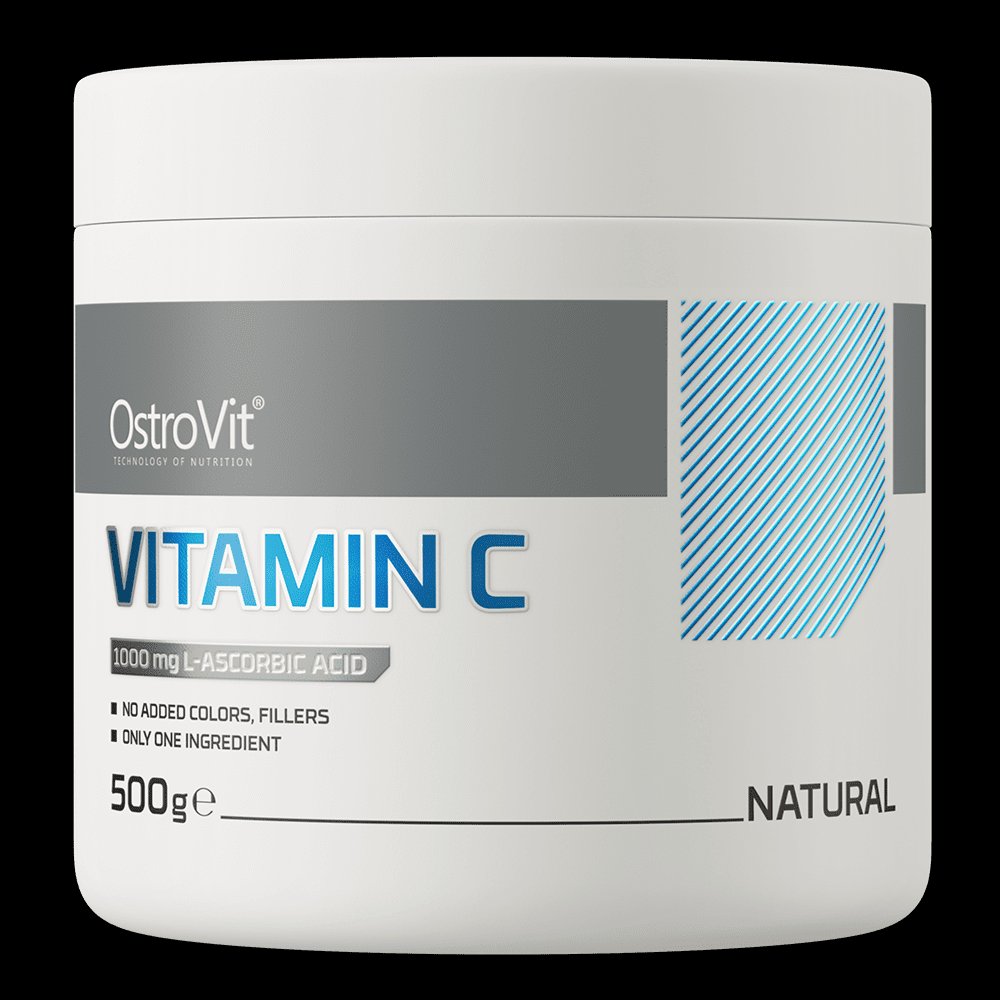
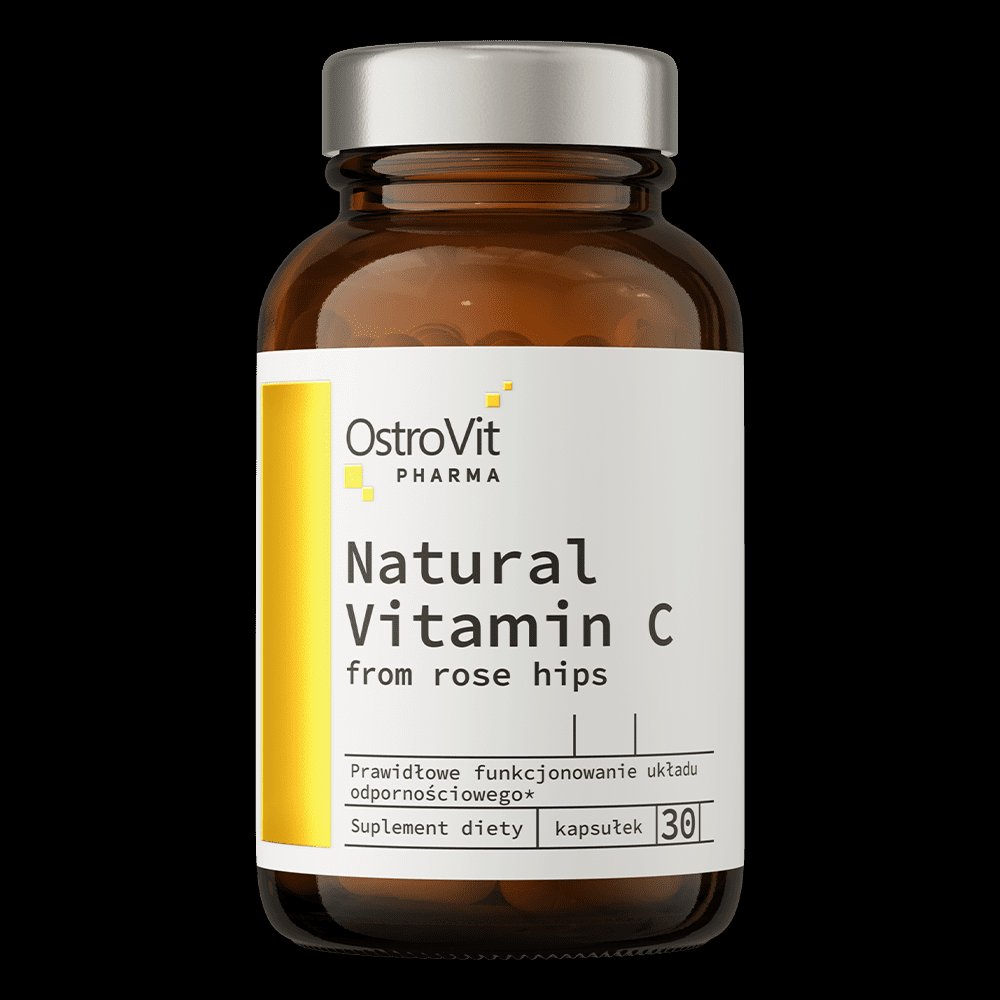
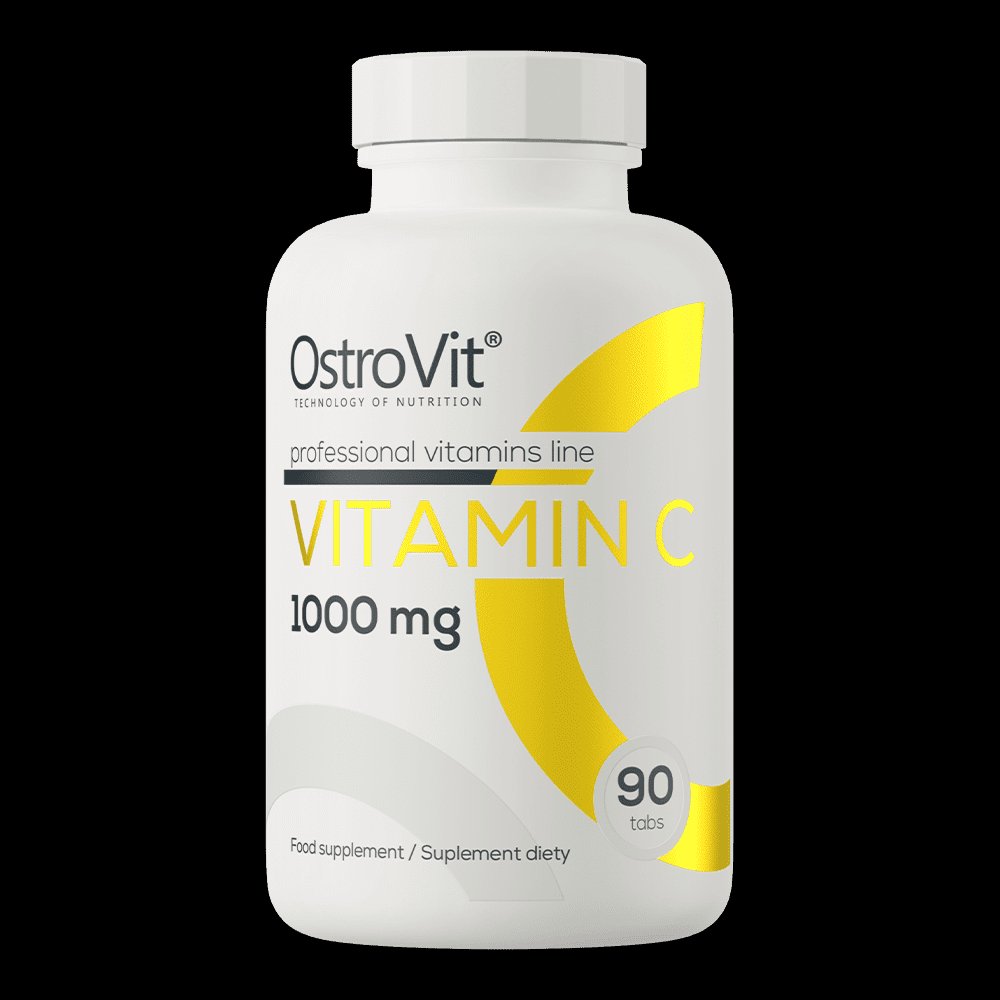
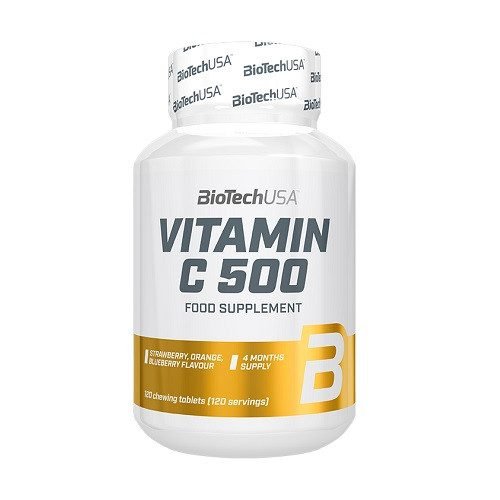
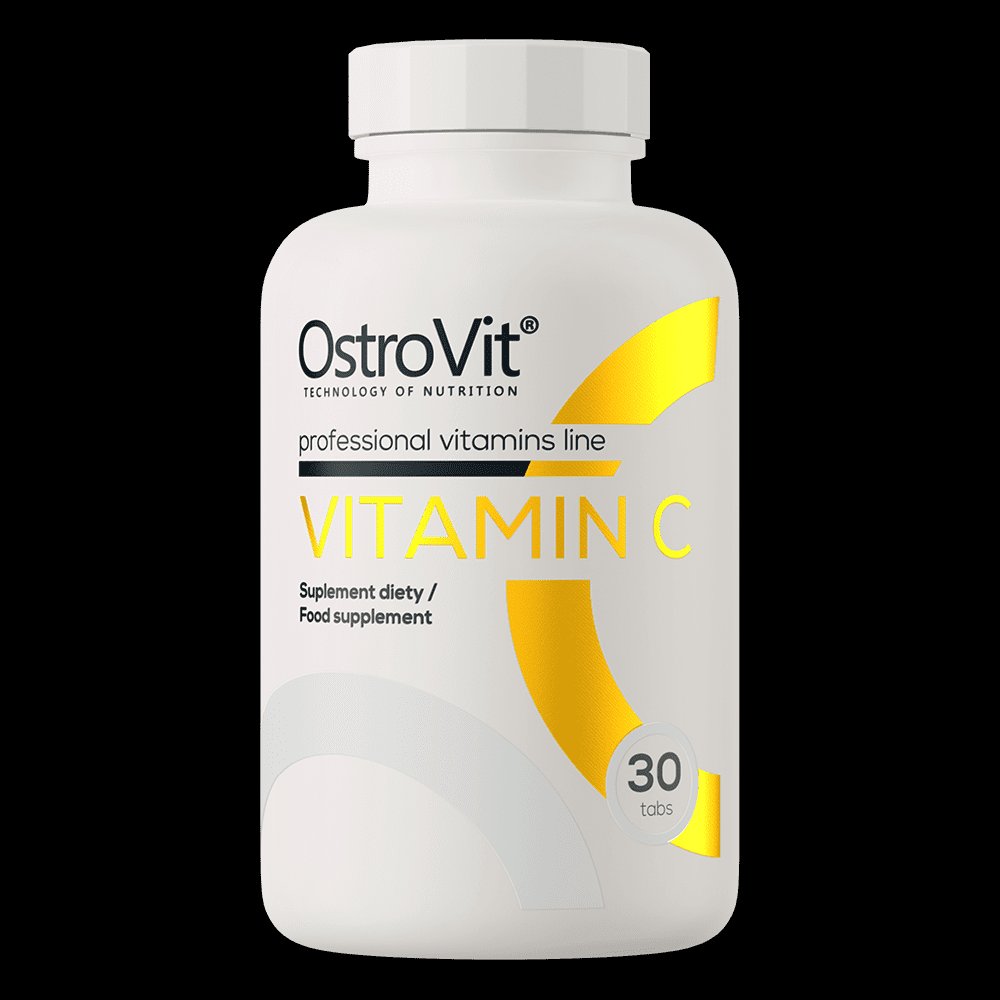
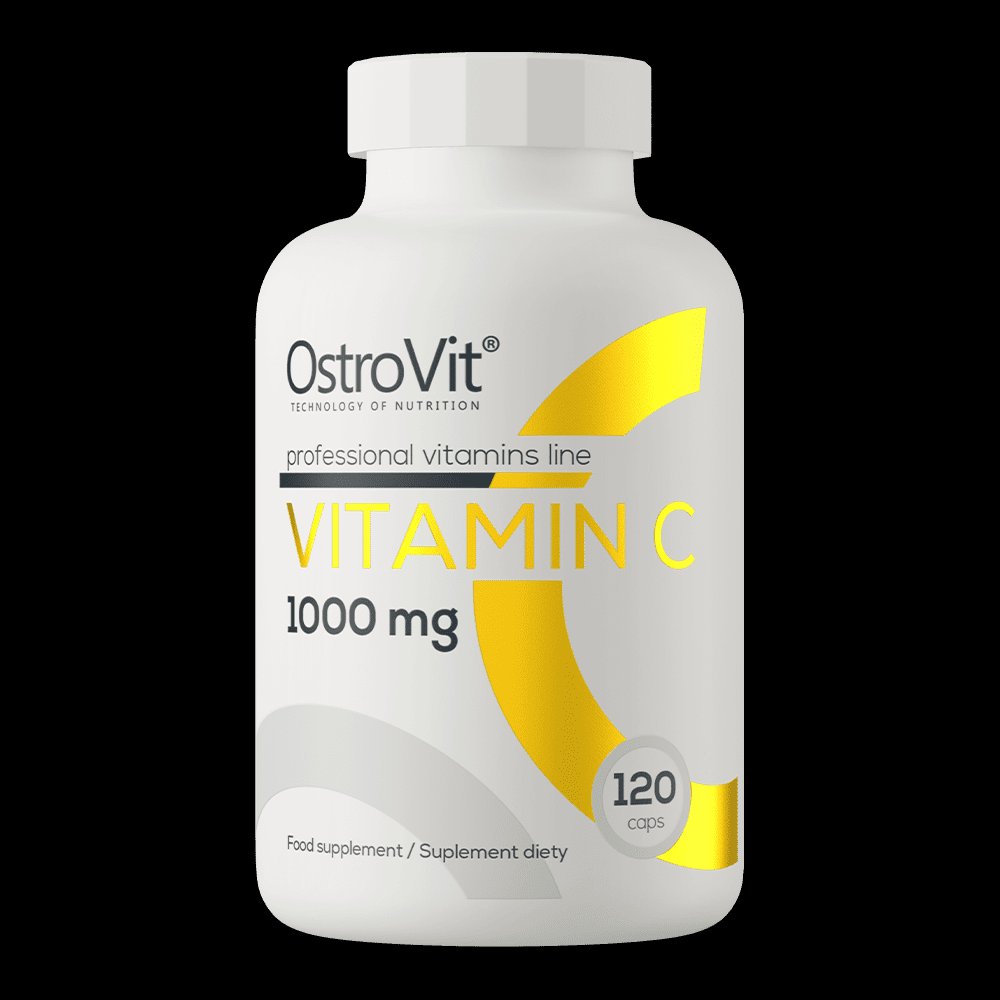
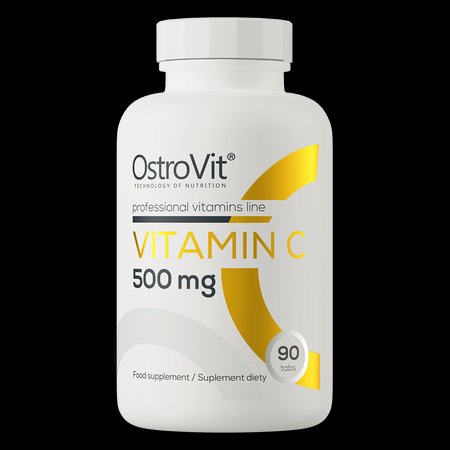
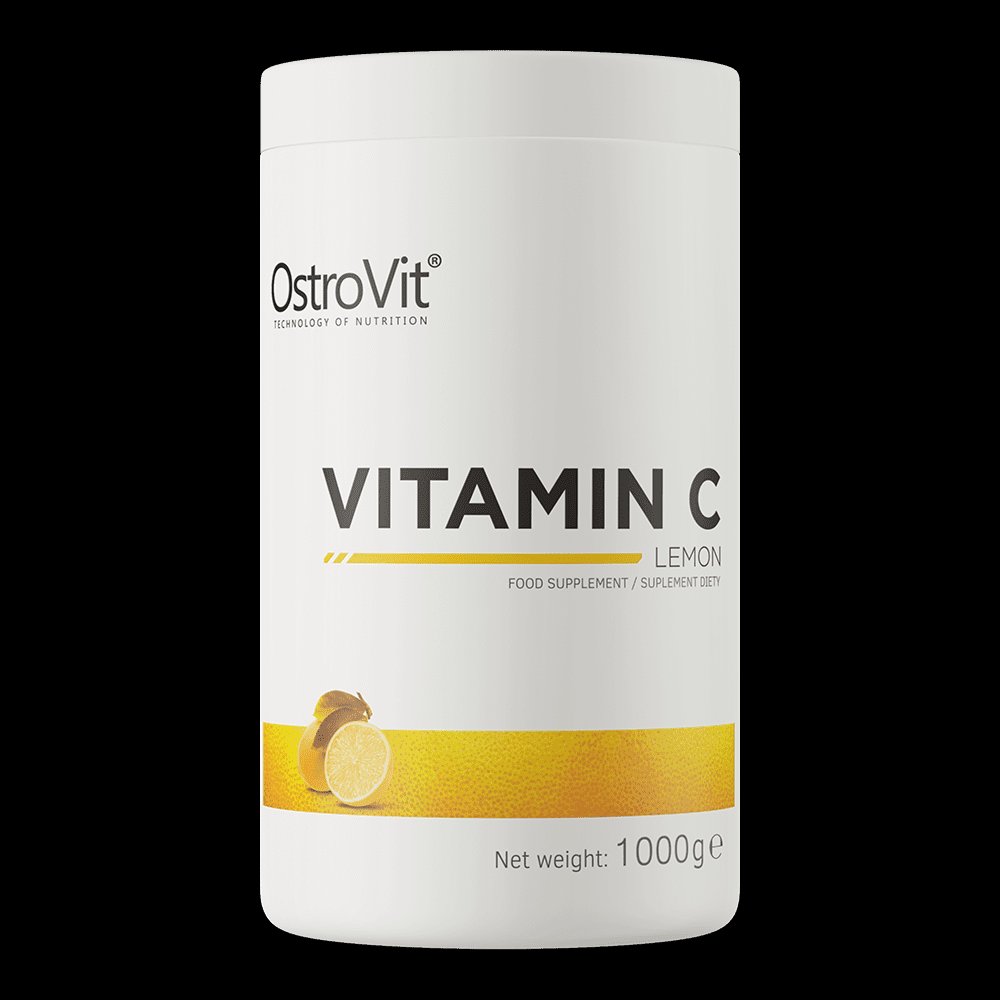
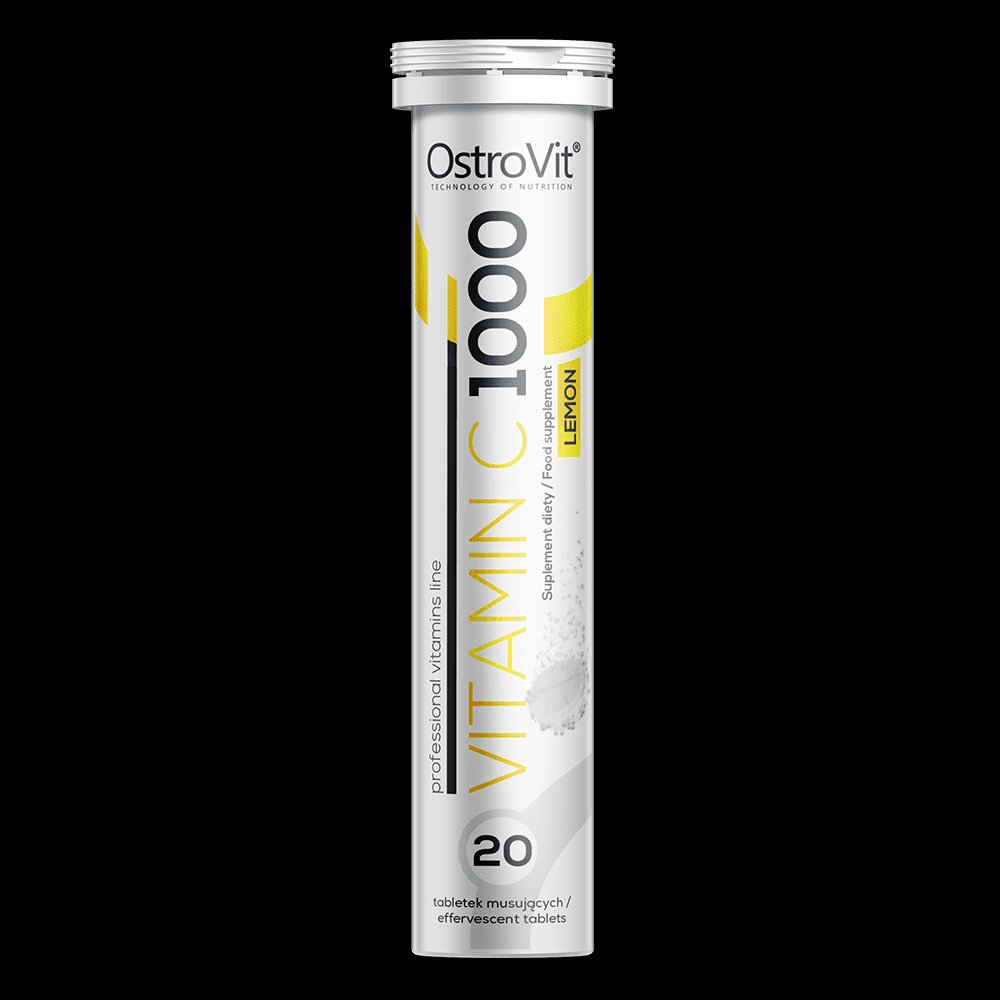
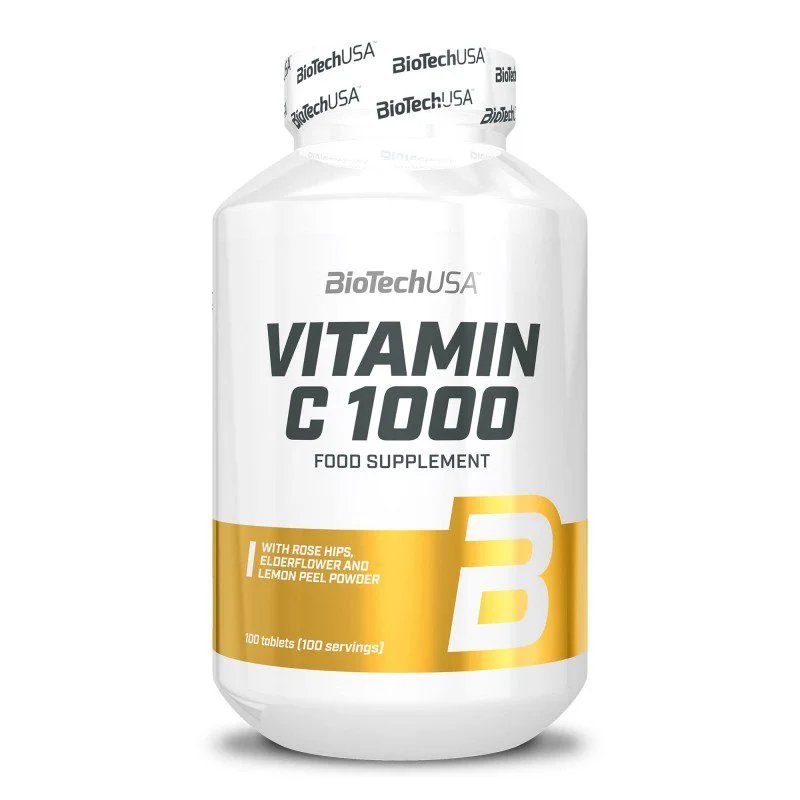
The concept of vitamin C megadosing gained popularity thanks to Nobel laureate Linus Pauling, who claimed in the 1970s that large doses of vitamin C — up to 18,000 mg per day — could prevent colds and even serious diseases. This idea spread rapidly and remains a widely held belief to this day.
But does science support this claim? The answer is more complicated than you might think. Over the past 50 years, hundreds of studies have been conducted, giving us a much clearer picture of vitamin C's actual capabilities and limitations.
What Did Pauling Actually Claim?
Pauling published the book "Vitamin C and the Common Cold" in 1970, recommending 1,000–2,000 mg of vitamin C daily for cold prevention. He later increased his recommendations even further — up to 18,000 mg per day. He believed that vitamin C could:
- Reduce cold frequency by 45%
- Shorten illness duration significantly
- Prevent serious diseases
- Extend lifespan by 12–18 years
These claims were revolutionary — and as it turned out, also exaggerated.
What Does Science Say About Large Doses of Vitamin C?
The Cochrane Review — The Gold Standard
The 2013 Cochrane systematic review (Hemilä & Chalker, 2013) analyzed 29 studies involving over 11,000 people. The results were surprising:
Cold prevention:
- Regular vitamin C intake (≥200 mg/day) did not reduce cold frequency in adults
- The exception was athletes and people under heavy physical stress — their risk decreased by 52%
- Megadoses provided no additional benefit compared to moderate doses
Cold duration:
- Regular intake shortened cold duration by 8% in adults and 14% in children
- This translates to about half a day shorter illness on average
- Megadoses (1,000+ mg) were not significantly more effective than 200–500 mg
Severity reduction:
- Vitamin C moderately reduced symptom severity
- The effect was greater in children than in adults
What Happens With Overdosing?
The body has a saturation point for vitamin C. Normally, the intestine absorbs about 70–90% of vitamin C at small doses (30–180 mg), but this drops to below 50% at doses above 1,000 mg (Levine et al., 1996). This means most of a megadose simply exits through urine.
Possible side effects of large doses:
- Gastrointestinal distress — diarrhea, nausea, stomach cramps (above 2,000 mg)
- Kidney stone risk — vitamin C converts to oxalate, a primary kidney stone component (Thomas et al., 2013)
- Iron overload risk — vitamin C increases iron absorption, which can be dangerous in hemochromatosis
- Rebound scurvy — abruptly stopping long-term megadosing can cause temporary vitamin C deficiency
How Much Vitamin C Do You Actually Need?
Recommended Daily Amounts
| Group | Recommended dose | Upper limit |
|---|---|---|
| Adult men | 90 mg | 2,000 mg |
| Adult women | 75 mg | 2,000 mg |
| Pregnant women | 85 mg | 2,000 mg |
| Breastfeeding women | 120 mg | 2,000 mg |
| Smokers | +35 mg extra | 2,000 mg |
Optimal Dose for Athletes
While megadoses are unnecessary, athletes may need more vitamin C than non-athletes:
- During intense training: 200–500 mg per day
- Pre-competition: 250–1,000 mg per day for 1–2 weeks before an event
- During recovery: 200–500 mg combined with protein
Research shows that for athletes, regular vitamin C intake is more effective than megadoses taken only during illness.
Food Sources vs Supplements
Many people get sufficient vitamin C from food:
Top food sources (mg per 100g):
- Rose hips — 426 mg
- Red bell pepper — 190 mg
- Blackcurrant — 181 mg
- Parsley — 133 mg
- Kiwi — 93 mg
- Broccoli — 89 mg
- Orange — 53 mg
If you eat plenty of fruits and vegetables daily, you may not need a supplement. However, during stressful periods, intense training, or illness, supplementation can be sensible.
Which Form of Vitamin C Is Most Effective?
Vitamin C comes in several forms, and not all are equal:
Ascorbic acid — the most common and researched form. Well absorbed, but can irritate the digestive tract at large doses.
Sodium ascorbate — a buffered form that is gentler on the stomach. A good choice for those with sensitive digestion.
Calcium ascorbate (Ester-C) — marketed as a "better" form, but scientific evidence for its superiority is limited.
Liposomal vitamin C — vitamin C encapsulated in lipid bodies. Some studies show improved bioavailability, but evidence is still preliminary and products are more expensive.
Ascorbic acid with bioflavonoids — flavonoids may help improve vitamin C absorption. Scientific support is moderate.
For most people, regular ascorbic acid is sufficiently effective, especially at moderate doses (200–500 mg).
Does Vitamin C Actually Boost Immunity?
Vitamin C plays an important role in the immune system, but not quite in the way many people think:
Proven roles of vitamin C in immunity:
- Supports neutrophil (white blood cell) function (Carr & Maggini, 2017) — these are the first line of defense against pathogens
- Promotes lymphocyte (T-cell and B-cell) proliferation
- Acts as a powerful antioxidant, protecting immune cells from oxidative stress
- Helps strengthen the skin barrier — skin is the first physical defense against infections
- Supports interferon production — these proteins help fight viruses
What vitamin C does NOT do:
- Does not "boost" immunity above normal levels
- Does not replace vaccination or proper sleep
- Does not eliminate viral infections on its own
- Does not compensate for poor diet or lifestyle
The immune system is a complex system requiring multiple nutrients working together. Vitamin C is an important part of this, but not the only one.
Summary: A Practical Guide to Vitamin C Intake
The vitamin C megadose myth is persistent, but science gives a clear direction:
What to do:
- Take 200–500 mg of vitamin C daily if your diet lacks sufficient fruits and vegetables
- Athletes can use up to 1,000 mg during intense training periods
- Start regular vitamin C intake before cold season, not when you are already sick
- Choose ascorbic acid or sodium ascorbate — these are proven and affordable
What to avoid:
- Do not take more than 2,000 mg per day without medical advice
- Do not expect miraculous results from megadoses — they simply are not scientifically proven
- Do not replace a varied diet with a single vitamin
What Does Research Say About Vitamin C and Serious Health Conditions?
This was one of Pauling's boldest claims, and science has provided a nuanced answer.
Epidemiological Evidence
Population-based studies consistently show that a fruit and vegetable-rich diet is associated with better long-term health outcomes. But is this due to vitamin C? Not necessarily.
The Nurses' Health Study and Health Professionals Follow-up Study concluded that:
- Dietary vitamin C from food is associated with better health outcomes in observational studies
- Vitamin C taken as a supplement does not show the same strong association
- Food contains thousands of bioactive compounds besides vitamin C — isolating the effect of one substance is difficult
Intravenous Vitamin C
High-dose intravenous vitamin C is a separate topic that differs from oral consumption:
- IV vitamin C achieves 50–70x higher blood plasma levels than oral intake
- Some pilot studies show quality of life improvements in patients undergoing medical treatment
- Therapeutic effects beyond nutritional support are not proven
- Used in some clinical settings as supportive care, not as a primary treatment
- The NIH is conducting clinical trials, but final results are not yet available
Summary: Eat plenty of fruits and vegetables — this is the best way to get vitamin C and other beneficial compounds. Megadoses have no proven benefit for disease prevention.
How to Recognize Vitamin C Deficiency?
Severe vitamin C deficiency (scurvy) is extremely rare in the developed world, but suboptimal levels are common. Studies show that about 7% of adults in developed countries have borderline vitamin C levels.
Early Symptoms (Suboptimal Levels)
- Fatigue and lack of energy
- Slow wound healing
- Bleeding gums when brushing teeth
- Mild joint pain
- Frequent colds
- Dry, rough skin
Scurvy Symptoms (Severe Deficiency)
- Intense gum bleeding and loose teeth
- Petechiae (small bruises on skin)
- Pain in limbs
- Anemia
- Depression and irritability
Scurvy typically develops within 1–3 months of near-zero vitamin C intake. Suboptimal level symptoms are subtler and often go unnoticed.
Risk Groups
- Smokers — each cigarette uses approximately 25 mg of vitamin C
- Elderly — reduced absorption and poorer nutrition
- Alcohol consumers — impaired absorption
- People on restricted diets — especially those avoiding fruits and vegetables
- Chronically stressed individuals — adrenal glands consume vitamin C during the stress response
How Does Vitamin C Work Better in Combination With Other Nutrients?
Vitamin C does not work in isolation — it interacts with other nutrients, and their synergy is often more important than a megadose of a single vitamin.
Vitamin C and Iron
Vitamin C is the most effective enhancer of iron absorption. It converts non-heme iron found in plant foods into a more absorbable form:
- 75 mg of vitamin C during a meal increases iron absorption 3–4 times
- This is particularly important for vegetarians and people with anemia
- A single orange or bell pepper alongside iron-rich food is sufficient
Vitamin C and Zinc
These two nutrients work together to support the immune system:
- Vitamin C enhances zinc's antimicrobial effects
- Zinc supports vitamin C's antioxidant function
- Combined intake is more effective than either alone
Vitamin C and Collagen
Vitamin C is essential for collagen synthesis — without it, the body cannot produce collagen:
- Scurvy (vitamin C deficiency) is essentially a collagen production disorder
- Wound healing directly depends on vitamin C levels
- Athletes who take vitamin C alongside collagen or gelatin supplements show better tendon and ligament recovery
Vitamin C Intake in Estonia
In the Estonian climate and dietary habits, vitamin C intake is particularly important during winter months when consumption of fresh fruits and vegetables decreases. Data from the National Institute for Health Development shows that a significant portion of the population consumes below the recommended norm, especially older adults and men. Sauerkraut, a traditional Estonian food, is actually an excellent source of vitamin C — 100 grams contains about 20 mg. Drinking homemade rosehip tea is also a great way to get vitamin C.
Browse our vitamin C selection to find the right supplement for you. Combine it with our zinc selection and vitamin D selection for comprehensive immune support.
See also:
- Immune System Supplements: What Actually Works and What Is Just Hype?
- Vitamin A: Retinol vs Beta-Carotene
- Echinacea: Does It Really Boost Your Immune System?
References
- Hemilä, H., & Chalker, E. (2013). Vitamin C for preventing and treating the common cold. Cochrane Database of Systematic Reviews, (1), CD000980.
- Pauling, L. (1970). Vitamin C and the Common Cold. W. H. Freeman and Company.
- Levine, M., Conry-Cantilena, C., Wang, Y., Welch, R. W., Washko, P. W., Dhariwal, K. R., ... & Cantilena, L. R. (1996). Vitamin C pharmacokinetics in healthy volunteers: evidence for a recommended dietary allowance. Proceedings of the National Academy of Sciences, 93(8), 3704–3709.
- Carr, A. C., & Maggini, S. (2017). Vitamin C and immune function. Nutrients, 9(11), 1211.
- Thomas, L. D., Elinder, C. G., Tiselius, H. G., Wolk, A., & Åkesson, A. (2013). Ascorbic acid supplements and kidney stone incidence among men: a prospective study. JAMA Internal Medicine, 173(5), 386–388.
Read more: Immune Support: Vitamins and Minerals Guide