Weight Loss Supplements: Separating Evidence From Marketing
The weight loss supplement market is worth billions and produces an extraordinary volume of marketing claims. It also produces an extraordinary volume of disappointment.
This guide does something the industry rarely does: ranks supplements by the quality of evidence behind them, explains the mechanisms, quantifies the realistic magnitude of effects, and names the ones that clearly do not work. It also includes one that is genuinely dangerous.
Who This Guide Is For
You are considering a fat burner, thermogenic, or appetite suppressant. You want to know what the science says — not what the label says. You understand that no supplement replaces a caloric deficit, but you want to know whether any supplement meaningfully adds to diet and exercise.
The realistic expectation: The best evidence-based supplements may add approximately 5-10% to the results you achieve from diet and exercise alone. They are not magic. Lifestyle change does the heavy lifting.
TL;DR: Evidence-Based Rankings
| Supplement | Evidence Level | Realistic Effect | Notes |
|---|---|---|---|
| Caffeine | Strong | ~100 kcal/day thermogenic | Tolerance develops in 2-3 weeks |
| Green tea (EGCG + caffeine) | Moderate | ~1.2 kg extra over 12 weeks | Synergy with caffeine key |
| Glucomannan | Moderate | Reduces appetite, ~0.5-1 kg/month | EFSA-approved health claim |
| Protein supplementation | Strong | Most effective dietary tool | Not technically a fat burner |
| Berberine | Emerging | Comparable to metformin in T2DM | Works via AMPK, more data needed |
| Raspberry ketones | None | No human evidence | Ignore completely |
| Garcinia cambogia | None to minimal | Negligible in meta-analyses | Not recommended |
| CLA | Minimal | -0.09 kg/week in meta-analysis | Statistically significant, not meaningful |
Supplements With Genuine Evidence
1. Caffeine
Caffeine is the most thoroughly studied thermogenic compound. Dulloo et al. (1989, American Journal of Clinical Nutrition) demonstrated that 100 mg caffeine increased metabolic rate by approximately 3-4% for up to 3 hours, with a thermogenic effect equivalent to roughly 100 kcal/day at habitual doses.
Mechanism: Inhibits phosphodiesterase (increasing cAMP), blocks adenosine receptors, stimulates catecholamine release (adrenaline, noradrenaline). This drives increased fat oxidation and thermogenesis.
Critical caveat: tolerance. Regular caffeine users develop tolerance within 2-3 weeks, substantially reducing thermogenic effects. This is why caffeinated fat burners show declining results in longer trials. Cycling caffeine (4 weeks on, 1-2 weeks off) may preserve some effect.
Dosing: 3-6 mg/kg body weight per day for thermogenic effects. A 70 kg person: 210-420 mg/day. Standard coffee contains 80-120 mg per cup.
Caution: Above 400 mg/day, side effects (anxiety, insomnia, elevated heart rate) become common. Not appropriate for people with anxiety disorders, cardiac arrhythmias, or hypertension.
2. Green Tea Extract (EGCG + Caffeine Synergy)
Hursel et al. (2011, Obesity Reviews) published a meta-analysis of 11 randomised trials showing that green tea catechins combined with caffeine produced 1.2 kg more weight loss than control over 12 weeks. The effect is specifically the combination — EGCG alone shows minimal effect.
Mechanism: EGCG (epigallocatechin gallate) inhibits catechol-O-methyltransferase (COMT), which normally breaks down noradrenaline. By extending noradrenaline's half-life, EGCG amplifies the thermogenic signal from caffeine. The two compounds are synergistic, not additive.
Dosing for effect: 270-600 mg EGCG daily, in combination with 150-200 mg caffeine. Most green tea extracts in proprietary blends are under-dosed relative to what produced effects in trials.
Safety note: High-dose green tea extract (above 800 mg EGCG/day) has been associated with rare cases of drug-induced liver injury. Stick to evidence-based doses.
3. Glucomannan (Konjac Fibre)
Glucomanan is a viscous soluble fibre derived from the konjac plant. It is the only dietary supplement with an EFSA-approved health claim for weight management: "Glucomannan in the context of an energy-restricted diet contributes to weight loss."
Keithley and Swanson (2005, Alternative Therapies in Health and Medicine) reviewed five randomised trials showing significant weight reduction vs placebo. The mechanism is mechanical: glucomannan absorbs water and expands in the stomach, slowing gastric emptying and reducing caloric intake through increased satiety.
Dosing: 3 g per day, divided across meals, 30-45 minutes before eating, with at least 240 ml of water. Critical: If taken without sufficient water, glucomannan can swell in the oesophagus and cause a choking hazard. Always take with a full glass of water.
Drug interactions: Glucomannan can reduce absorption of some oral medications. Take medications 1 hour before or 4 hours after glucomannan.
Who benefits most: People who struggle with appetite control and portion sizes. Glucomannan provides no thermogenic effect — it purely reduces caloric intake by promoting fullness.
4. Protein Supplementation
Not a "fat burner" in the traditional sense, but protein is the most evidence-backed dietary strategy for body composition improvement. Westerterp-Plantenga et al. (2009, Nutrition and Metabolism) reviewed evidence showing:
- High-protein diets (25-30% of calories from protein) increase thermogenesis by 15-30% vs carbohydrates/fat
- Protein has the highest satiety per calorie of any macronutrient
- Preserving lean mass during weight loss requires adequate protein (1.6-2.4 g/kg body weight during caloric deficit)
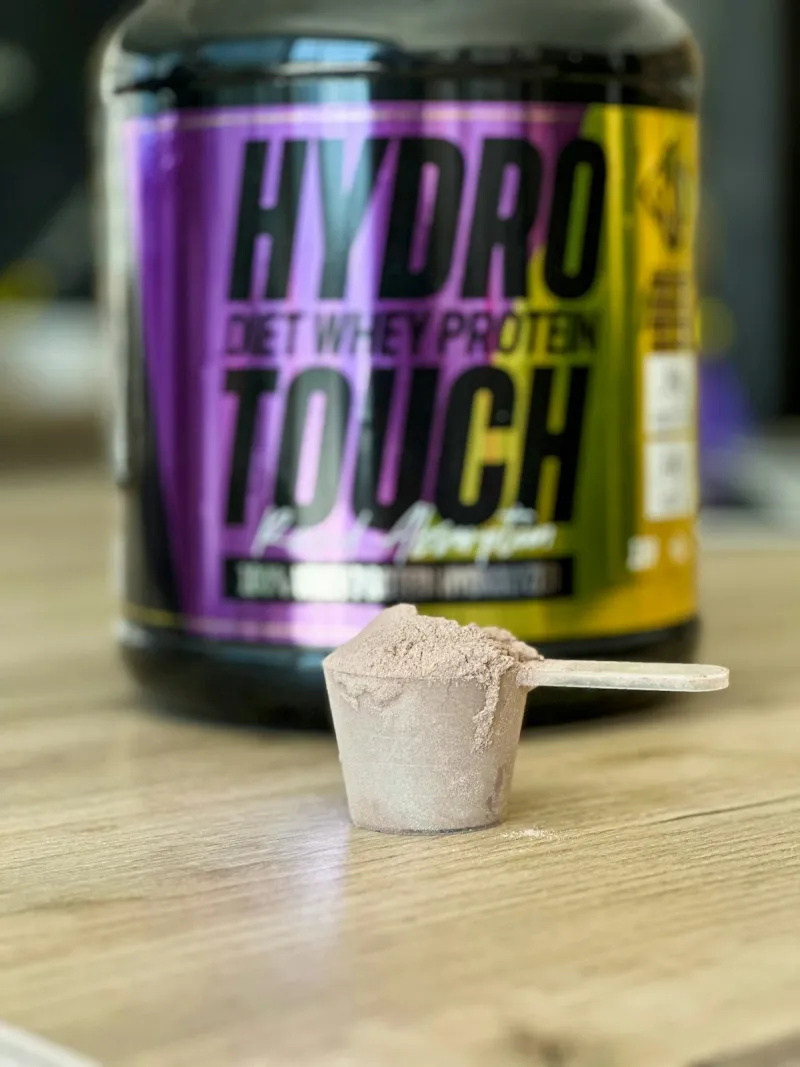
Whey, casein, and pea protein all work. The best protein supplement is the one you will consistently use.
5. Berberine
Berberine is an alkaloid found in several plants (barberry, goldenseal, Oregon grape). Dong et al. (2012, Evidence-Based Complementary and Alternative Medicine) conducted a meta-analysis of 14 randomised trials in type 2 diabetes, showing berberine produced comparable glycaemic control to metformin.
Mechanism: Activates AMP-activated protein kinase (AMPK) — the cellular energy sensor. AMPK activation inhibits fat storage, increases fat oxidation, improves insulin sensitivity, and reduces hepatic glucose production.
For weight management: Evidence is primarily in people with metabolic dysfunction (insulin resistance, T2DM). In generally healthy lean individuals, effects are less clear.
Dosing: 500 mg three times daily with meals (1500 mg/day total). Needs to be taken consistently for 8-12 weeks.
Drug interactions: Berberine inhibits CYP3A4 and CYP2D6 — significant interactions with statins, some antidepressants, and cyclosporine. Consult a doctor before use if on medications.
Supplements That Do Not Work
Raspberry Ketones
Raspberry ketones became popular after a 2012 segment on a television health show. The evidence base: two in vitro studies and one rodent study. No randomised controlled trials in humans exist. The ketone concentrations that produced effects in rodent studies are orders of magnitude higher than what any supplement delivers.
Verdict: No evidence. Do not buy.
Garcinia Cambogia (HCA)
Hydroxycitric acid (HCA) from garcinia inhibits ATP-citrate lyase in vitro, which theoretically reduces fat synthesis. In practice, multiple meta-analyses find negligible weight loss versus placebo — approximately 0.88 kg more weight loss in the most cited review (Onakpoya et al., 2011), which is within the range of measurement error for most trials.
Verdict: Essentially no meaningful effect. Not recommended.
CLA (Conjugated Linoleic Acid)
Beneficial in rodents; frustratingly weak in humans. A Cochrane-level meta-analysis of 18 trials found CLA produced approximately -0.09 kg/week more weight loss than placebo — statistically significant, but far below any clinically meaningful threshold. CLA also appears to worsen insulin sensitivity with long-term use.
Verdict: Statistically measurable effect, not meaningful in practice.
Most Proprietary "Fat Burning" Blends
These typically combine caffeine (the only ingredient that might do anything), with multiple under-dosed plant extracts at non-therapeutic concentrations, a proprietary blend that hides individual ingredient amounts, and premium pricing. The active ingredient is caffeine. Buy caffeine.
Critical Safety Warning: DNP
2,4-Dinitrophenol (DNP) is an industrial chemical sometimes sold illegally online as a weight loss agent. It works by uncoupling mitochondrial respiration — essentially turning body fat into heat. It has killed multiple people, including young athletes, at doses not far above those marketed for weight loss. There is no safe dose. DNP is not a supplement. If you encounter it online, do not purchase it.
Step-by-Step: Building a Rational Supplementation Plan
1. Establish caloric deficit first — supplements cannot create results that a diet cannot create. Use a food tracking app for 2 weeks to understand your actual intake.
2. Optimise protein — reach 1.6-2.4 g/kg body weight through food or protein powder. This is more impactful than any fat burner.
3. Add glucomannan if appetite is the main problem — 3 g/day before meals with full glasses of water.
4. Consider green tea extract if caffeine-tolerant and no cardiac/anxiety issues — look for products stating the EGCG content, minimum 270 mg/day.
5. Consider berberine if you have metabolic dysfunction (insulin resistance, elevated fasting glucose, family history of T2DM) — after consulting your doctor.
6. Cycle caffeine — if using caffeinated products, take 1-2 week breaks every 4-6 weeks to preserve thermogenic sensitivity.
Frequently Asked Questions
Will fat burners work without diet and exercise?
No. At best, evidence-based supplements add a small increment to a caloric deficit you have already created. They have no meaningful effect when calories are not restricted.
Are fat burners safe?
Different risks apply to different ingredients. Caffeine is safe at evidence-based doses for most people but dangerous for those with heart conditions or anxiety. High-dose green tea extract carries rare but real hepatotoxicity risk. Proprietary blends with undisclosed ingredients carry unknown risks. Anything containing synephrine (bitter orange) warrants caution.
What is the most effective thing I can do?
For body composition: protein at 1.6-2.4 g/kg, consistent resistance training, and a sustainable caloric deficit. Supplements are firmly in supporting role territory.
Are fat burners worth the money?
Usually not. Caffeine from coffee costs a fraction of any fat burner product and has the same or greater thermogenic effect. Glucomannan capsules are inexpensive. Green tea extract is available cheaply without proprietary markups.
Local Angle: Estonia
Weight loss supplement marketing reaches Estonian consumers primarily through social media influencers and Amazon imports. Common misinformation circulates about fat burners, detox teas, and slimming wraps.
In Estonia, the following are readily available and represent honest value:
- Glucomannan capsules: available in Apotheka, Benu, health food stores. Prices approximately €8-15 for a 1-month supply at therapeutic dose.
- Green tea extract standardised to EGCG: available online and in health food stores. Look for products stating EGCG content (not just total catechins).
- Caffeine tablets (100-200 mg): available in pharmacies, inexpensive.
- Whey protein: widely available at MaxFit and other retailers.
Products marketed as miracle solutions — raspberry ketone blends, "detox" teas, African mango — have no credible evidence base and are not worth buying regardless of price.
References
- Dulloo AG et al. (1989). Normal caffeine consumption: influence on thermogenesis and daily energy expenditure in lean and postobese human volunteers. American Journal of Clinical Nutrition, 49(1), 44-50.
- Hursel R et al. (2011). The effects of catechin rich teas and caffeine on energy expenditure and fat oxidation: a meta-analysis. Obesity Reviews, 12(7), e573-e581.
- Keithley J and Swanson B. (2005). Glucomannan and obesity: a critical review. Alternative Therapies in Health and Medicine, 11(6), 30-34.
- Westerterp-Plantenga MS et al. (2009). Dietary protein, weight loss, and weight maintenance. Annual Review of Nutrition, 29, 21-41.
- Dong H et al. (2012). Berberine in the treatment of type 2 diabetes mellitus: a systematic review and meta-analysis. Evidence-Based Complementary and Alternative Medicine, 2012.
- Onakpoya I et al. (2011). The use of Garcinia extract (hydroxycitric acid) as a weight loss supplement: a systematic review. Journal of Obesity, 2011.
Start With What Works
Protein, a sustainable caloric deficit, and resistance training will do more for your body composition than any supplement stack. If you want to add a supplement with genuine evidence: glucomannan for appetite control, green tea extract for modest thermogenesis, or berberine if metabolic issues are present. MaxFit carries a curated selection of these evidence-based products.
See also: