What is quercetin?
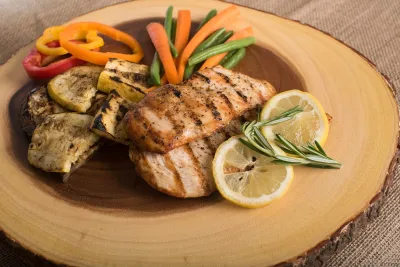
Quercetin is a natural flavonoid — a plant pigment that gives many fruits and vegetables their vibrant colours. It is found abundantly in onions, apples, berries, broccoli, and green tea. Flavonoids belong to the polyphenol family and are well known for their antioxidant properties.
Quercetin is one of the most studied flavonoids in the world. Through a typical diet, we consume around 10–100 mg daily, but supplements provide considerably higher amounts. In the Estonian and Nordic context, quercetin is especially interesting because many local staples — apples, onions, berries — are natural sources.
How quercetin works
Quercetin functions primarily as an antioxidant, helping to neutralise free radicals in the body. Free radicals are unstable molecules that can damage cell membranes and DNA. Additionally, quercetin has been studied for its role in modulating inflammatory processes and immune responses.
Scientific research has shown that quercetin may influence several biochemical pathways in the body, including histamine levels and the activity of certain enzymes.
Evidence and benefits
Currently there are no EU-approved specific health claims for quercetin (EFSA). However, research suggests several potential benefits:
- Studies indicate that quercetin may support the body's resilience against oxidative stress (Boots et al., 2008)
- Some clinical trials point to a positive influence on cardiovascular health markers (Edwards et al., 2007)
- Among athletes, quercetin has been studied in relation to endurance and recovery (Nieman et al., 2010)
- Preclinical studies suggest a possible immune-supporting role
It is important to note that many studies have been conducted in laboratory settings or animal models, and human trial results have sometimes been inconsistent.
How to take quercetin
Quercetin supplements are available as capsules and powder. Common dosages used in research range from 500–1,000 mg per day, typically divided into two doses. Quercetin's bioavailability is relatively low, which is why it is often combined with vitamin C or bromelain to help improve absorption.
For optimal absorption, take quercetin with food, particularly meals containing some fat. Start with a lower dose and observe how your body responds.
Who should consider it
- Individuals looking to increase their antioxidant intake
- Athletes and active people seeking recovery support
- Those looking for additional support during allergy season
- People focused on cardiovascular health
- Those whose diet is low in fruits and vegetables
Consult a healthcare professional before starting any new supplement.
Frequently asked questions
Can I get enough quercetin from food alone?
A balanced diet rich in fruits and vegetables provides a moderate amount of quercetin. Supplements offer more concentrated doses that are difficult to achieve through food alone.
Does quercetin have side effects?
In amounts obtained from food, quercetin is safe. At higher supplemental doses (over 1,000 mg), headaches or digestive discomfort have rarely been reported.
Can quercetin be combined with vitamin C?
Yes, this is actually a common combination. Vitamin C may help improve quercetin absorption.
How long before I notice results?
In studies, quercetin has typically been used for 8–12 weeks. Short-term changes are difficult to assess subjectively.
Is quercetin suitable for vegans?
Yes, quercetin is plant-derived. However, always check that the capsule shell is also plant-based.
References
1. Boots AW, Haenen GR, Bast A. (2008). Health effects of quercetin: from antioxidant to nutraceutical. European Journal of Pharmacology, 585(2-3), 325-337.
2. Edwards RL, Lyon T, Litwin SE, Rabovsky A, Symons JD, Jalili T. (2007). Quercetin reduces blood pressure in hypertensive subjects. Journal of Nutrition, 137(11), 2405-2411.
3. Nieman DC, Williams AS, Shanely RA, et al. (2010). Quercetin's influence on exercise-induced changes in plasma cytokines and muscle and leukocyte cytokine mRNA. Journal of Applied Physiology, 108(6), 1631-1639.
---
See also:
Disclaimer
A food supplement is not a substitute for a varied and balanced diet and a healthy lifestyle.